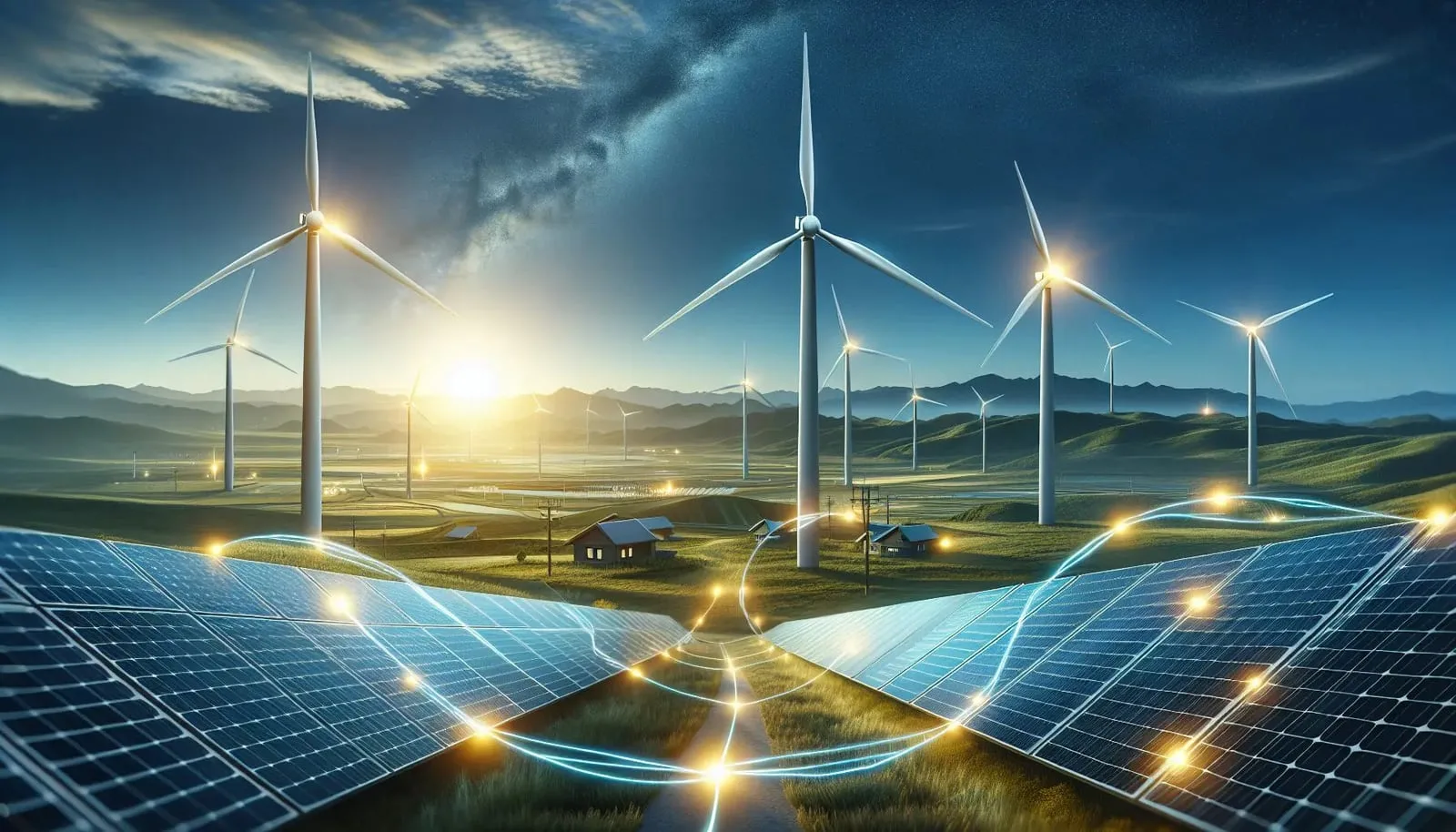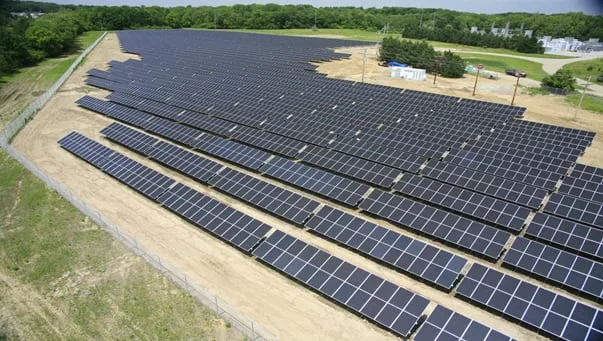
A standard grid-connected solar system cuts your bill, but it shuts down during a grid outage for safety. A hybrid system adds other sources — batteries, a generator, or both — and a smart inverter that decides which source to use at any moment.
How a hybrid system decides
Smart inverters combine multiple inputs. During the day, solar supplies the load first and can charge the batteries. When solar isn’t enough, the system draws on the batteries, the grid or the generator. The priorities are set to keep power continuous at the lowest cost.
Our sister company Al Roya specialises in exactly this kind of control: monitoring, load balancing and smooth switching between solar, grid and generator power.
Examples from our projects
- Village system, Alras, Lebanon (1.5 MW): solar, grid and generator combined give a small village continuous, low-cost power despite an unstable grid.
- Supermarket, Nairobi, Kenya (125 kW): grid, generator and battery work together to cut bills and keep the store running during outages.
- Private villa, Ajman (35 kW): a hybrid system with battery storage.
Is hybrid right for you?
If outages are costly for you, if you run a generator today, or if you want to use more of your own solar power in the evening, a hybrid system is worth considering. Talk to an engineer.